Technical SEO is the foundation upon which all other SEO efforts are built. Without a technically sound website, even the best content and most authoritative backlinks will not deliver optimal search rankings. In 2026, technical SEO has become more complex but also more critical as Google’s algorithms increasingly prioritize user experience signals. This guide covers everything you need to know about technical SEO in 2026.
What Is Technical SEO?
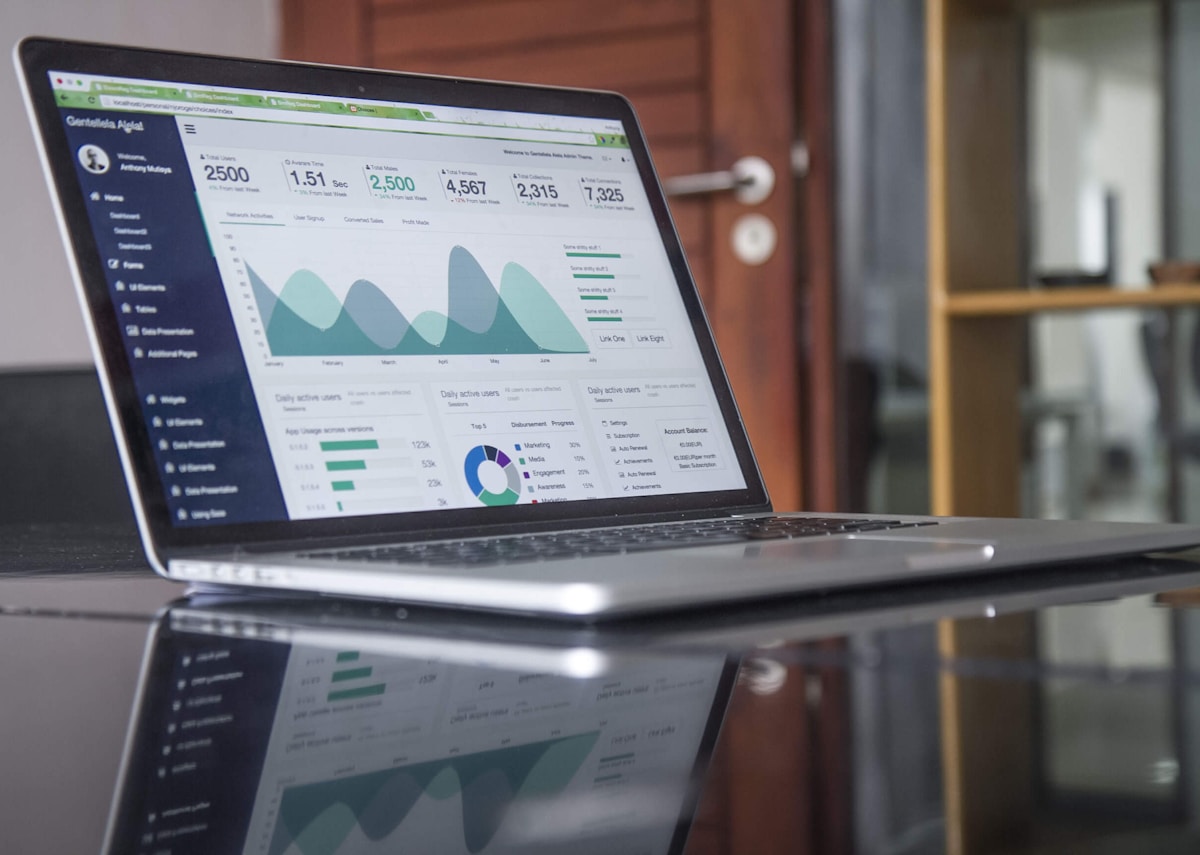
Technical SEO refers to the process of optimizing your website’s infrastructure to help search engines crawl, index, and render your pages effectively. While on-page SEO focuses on content and keywords, technical SEO deals with server configuration, site architecture, page speed, mobile responsiveness, structured data, and security. Think of it as preparing the stage so your content can perform when the audience search engines arrives.
1. Core Web Vitals and Page Experience
Google’s Core Web Vitals remain important ranking signals in 2026. These metrics measure real-world user experience:
- Largest Contentful Paint (LCP) – Measures loading performance. Should occur within 2.5 seconds of page load. Optimize by improving server response time, using a CDN, compressing images, and eliminating render-blocking resources.
- First Input Delay (FID) / Interaction to Next Paint (INP) – Measures interactivity. Google is replacing FID with INP in 2026. Aim for under 200 milliseconds. Optimize by minimizing JavaScript execution time and breaking up long tasks.
- Cumulative Layout Shift (CLS) – Measures visual stability. Score should be less than 0.1. Optimize by setting explicit dimensions for images and embeds, avoiding late-loading content that pushes layout, and using font-display swap.
Use Google PageSpeed Insights, Lighthouse, and Search Console’s Core Web Vitals report to monitor these metrics regularly.
2. Crawlability and Indexability
Search engines need to find and understand your pages. Ensure proper crawlability by:
- Optimizing robots.txt – Allow search engines to access important pages while blocking low-value ones like admin pages, login screens, and duplicate content. Reference your sitemap URL in robots.txt.
- Creating and submitting XML sitemaps – Use Yoast SEO or similar plugin to generate sitemaps automatically. Submit them to Google Search Console and Bing Webmaster Tools.
- Using internal linking strategically – A well-structured internal link network helps search engines discover all your pages and understand content hierarchy.
- Fixing crawl errors – Monitor Search Console for 404 errors, soft 404s, server errors, and redirect issues. Fix them promptly.
3. Site Architecture and URL Structure
A logical site architecture helps both users and search engines navigate your content. Best practices include:
- Flat structure – Important pages should be reachable within 3 clicks from the homepage.
- Descriptive URLs – Use clean, keyword-rich URLs with hyphens separating words. Avoid parameters, underscores, and excessive subdirectories.
- Breadcrumb navigation – Implement breadcrumbs using schema markup. They improve navigation and appear in search results.
- Category organization – Group related content into categories and use them consistently.
4. Mobile-First Indexing
Google uses the mobile version of your site for indexing and ranking. This means your mobile site must be fully functional and contain the same content as your desktop version. Key requirements:
- Responsive design – Your site should adapt seamlessly to all screen sizes.
- Equal content – Do not hide important content on mobile or use separate mobile URLs.
- Touch-friendly elements – Buttons and links should be large enough to tap easily.
- Readable font sizes – Body text should be at least 16px on mobile devices.
- No intrusive interstitials – Pop-ups that cover content on mobile can hurt rankings.
Test your mobile site using Google’s Mobile-Friendly Test tool and the mobile report in Search Console.
5. Structured Data and Schema Markup
Structured data helps search engines understand your content and enables rich results in search listings. Common schema types for blogs include:
- Article schema – Helps your posts appear in rich results with headline, image, and publish date.
- BreadcrumbList schema – Shows breadcrumb navigation in search results.
- FAQ schema – Enables FAQ rich results for pages with question-and-answer content.
- HowTo schema – For step-by-step guides and tutorials.
- LocalBusiness schema – If you have a physical business location.
- Review schema – For displaying star ratings in search results.
Yoast SEO adds basic schema automatically. For advanced markup, use plugins like Schema Pro or add schema manually using JSON-LD format. Validate your schema with Google’s Rich Results Test.
6. HTTPS and Security
HTTPS is a confirmed ranking signal and essential for user trust. Ensure your site has a valid SSL certificate and all pages redirect to HTTPS. Additional security measures that impact SEO include:
- HSTS headers – Force browsers to always use HTTPS.
- Content Security Policy – Prevent XSS attacks that could compromise your site.
- Regular security scans – Use Wordfence or Sucuri to detect vulnerabilities.
- Secure forms – Ensure all forms use HTTPS and validate input properly.
A hacked or compromised site can be deindexed by Google, making security a critical SEO concern.
7. Page Speed Optimization
Speed is a ranking factor and directly impacts user experience and conversion rates. Technical optimizations include:
- Server response time – Aim for under 200ms TTFB. Use a fast hosting provider like Hostinger or SiteGround.
- Caching – Implement browser caching, server-side caching, and CDN caching. LiteSpeed Cache is excellent for LiteSpeed servers.
- Image optimization – Compress images, use WebP format, implement lazy loading, and serve responsive image sizes.
- Code minification – Minify HTML, CSS, and JavaScript. Remove unused CSS and defer non-critical JavaScript.
- Database optimization – Clean up post revisions, spam comments, and transients regularly.
8. International SEO
If your site targets multiple countries or languages, implement hreflang tags to tell Google which language or regional version of a page to serve. Use country-specific domains, subdirectories, or subdomains with proper hreflang annotations and avoid duplicate content issues across language versions.
9. Monitoring and Maintenance
Technical SEO is not a set-and-forget task. Regular maintenance is essential:
- Weekly – Check Search Console for new errors, manual actions, and security issues.
- Monthly – Run a site crawl with Screaming Frog to find technical issues. Review Core Web Vitals and page speed.
- Quarterly – Audit structured data, review backlink profile, and check for content decay.
- After major updates – Test everything after changing themes, plugins, or site structure.
Conclusion
Technical SEO in 2026 requires attention to detail and ongoing maintenance. Core Web Vitals, mobile-first indexing, structured data, and site speed are the pillars of a technically optimized website. By mastering these fundamentals, you create a strong foundation for your content to rank. For practical tools to help with your technical SEO audits, check out our guide to Best Free SEO Tools in 2026.
Further Reading
Master every aspect of SEO with our Keyword Research Guide, On-Page SEO Checklist, Schema Markup Guide, and Core Web Vitals Guide., JavaScript SEO
Further Reading
Check out our latest articles:
